
modified: Monday 26 October 2026
author: Hales
markup: html_raw
The museum I volunteer at has been seized by the NSW government and they intend to destroy it
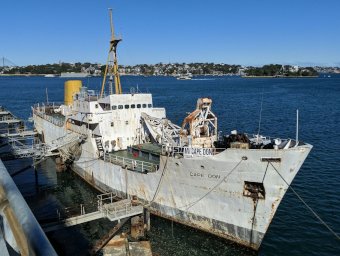 Museum collections in peril, volunteers fearful, charity fighting to get the ship and its contents back.
I am a volunteer on the museum ship MV Cape Don (please note I do not represent the ship or its charity board). I am worried about the ship's museum collections -- the government recently seized the museum ship from the charity and have stated they intend to destroy it.
I have been trying to reassure some of my fellow volunteers but they are scared and distraught. Some of them work in restoration as their profession whilst others are learning from them or are history students. For many of them, the thought of the museum being destroyed is beyond comprehension.
At the moment we cannot get on board to even inspect the dehumidifiers in the sensitive collections rooms. This is something we need to do weekly.
It looks like the seizure was around concerns of structural safety, however, the charity foundation behind the museum ship has stated that the hull has been regularly inspected and found to be safe. Maybe the reports have not been getting to the right people in the NSW government?
The museum contains items from or on loan from the Australian National Maritime Museum, private individuals and other museums. We have items pertaining to royal visits to the ship, historic government uniforms, charts and maps describing the ship's routes around the country, parts of other Australian ships (including sailboats and steamers), models of Australian ships, photographs, negatives, paintings, Australian made valve radio equipment, historic powerplant and much more. Some of the items were craned on or are bolted down. The temporarily scaffolding currently permitted by NSW Maritime is not adequate for removal of many artefacts even if we could find them homes.
Many of us volunteers were looking forward to dry-docking the ship as we really want to see the outside brought to the same standards as the inside. The colour of rust is unsightly, but, we risk being fined for environmental damage if we scrape or paint the hull of the ship near the water. Instead, hull repairs can only be where required (non-cosmetic), at least until the dry-docking.
Outside of the ship
The ship is 5 storeys tall and has 99 rooms.
The outside of the ship, as you've probably heard, looks quite rusty. Volunteers have slowly been cleaning back metal and repainting some of the sections that they're allowed to:
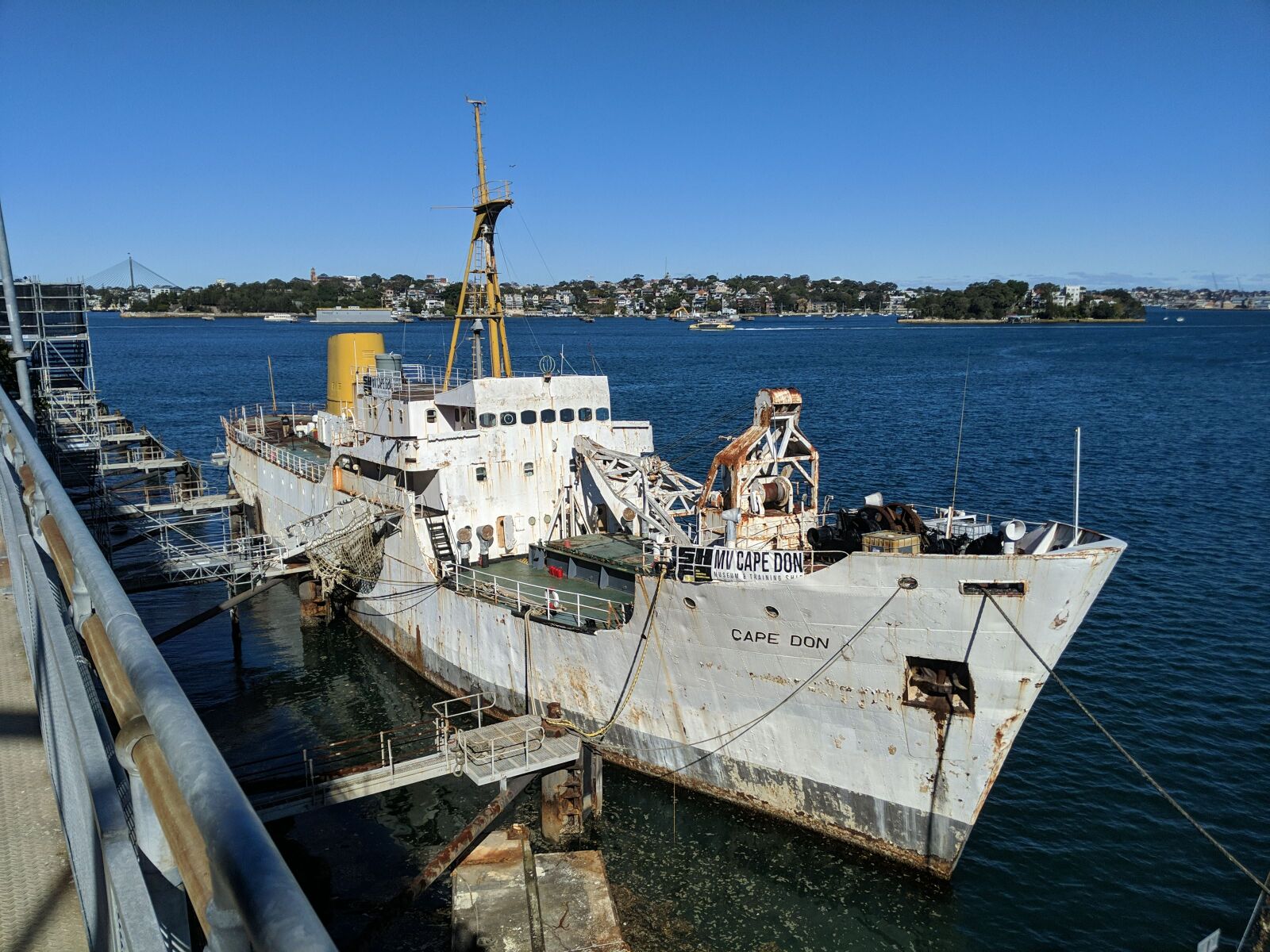
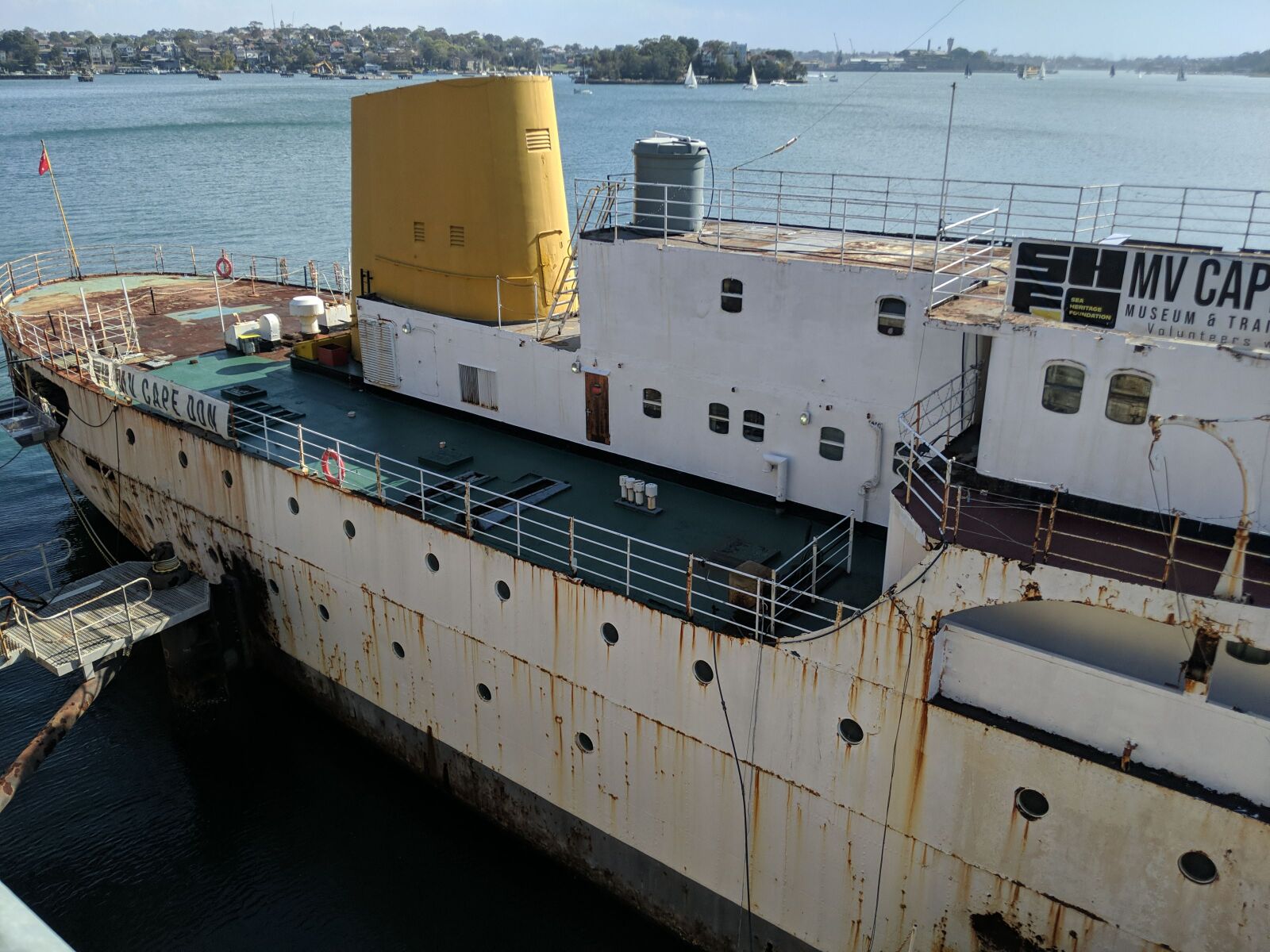
(Please excuse the abandoned barge and debris in the water, neither are to do with the ship. Sydney Harbour is like that some days and I don't want to edit anything out.)
I have read some media reporting of rusty holes in the hull, but, I have not seen any myself. The closest things I can think of are the blackened sections of the hull where the white paint has rubbed off (near the dock buffers in the above pics) or deckwater/deckrain drainpipes (round rusty circles with stains going downwards). Both of these problems are cosmetic and are planned to be fixed when the ship dry-docks.
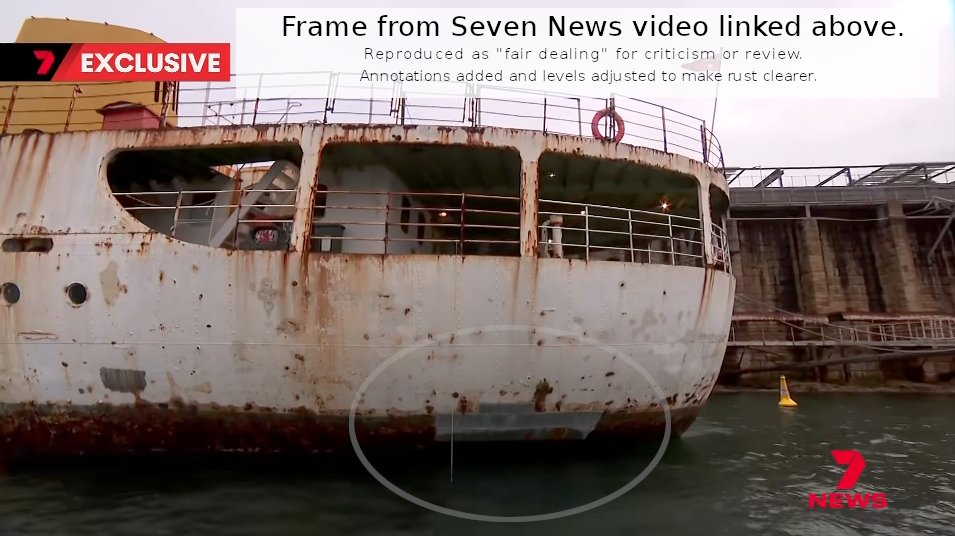
A lot of the media attention has been to the other side of the ship (facing away from shore) where it looks rustier, like this recent Channel 7 News video. I find it funny that they only talk about the rust even when showing footage of grey repairs and maintenance made along the waterline:
Inside of the ship
The lounge areas have been lovingly restored by volunteers:
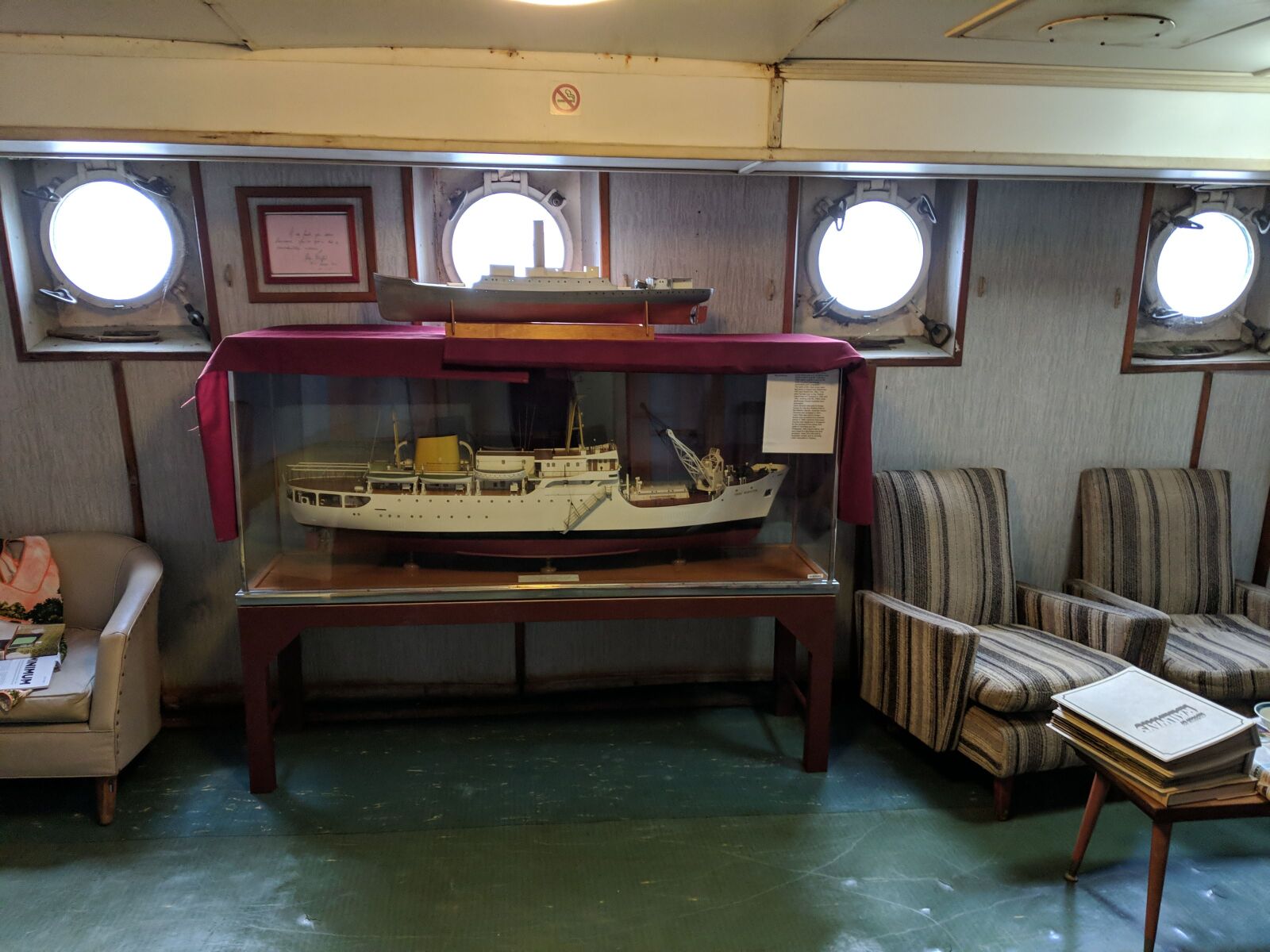
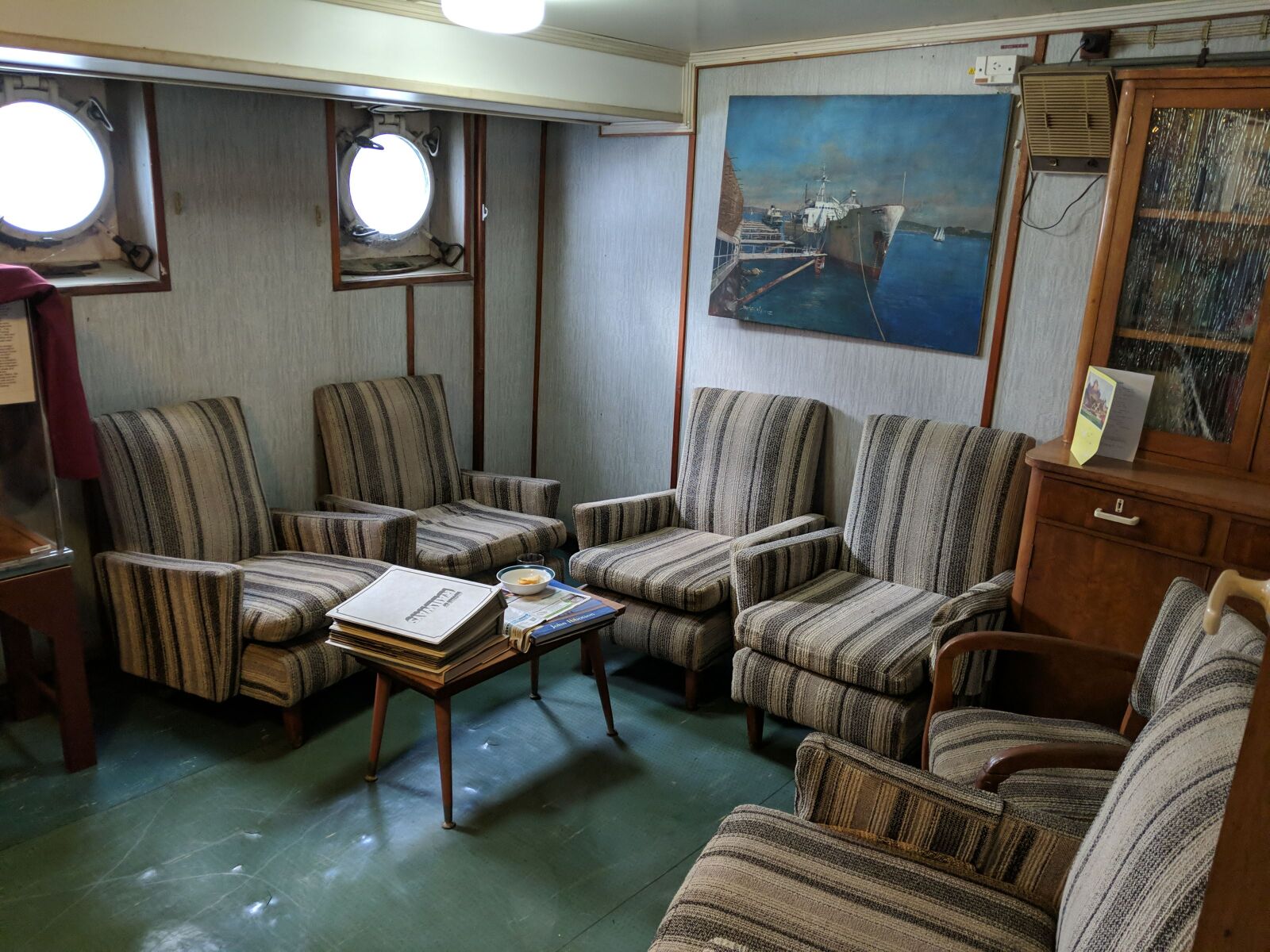
The engine room is vast, spanning two stories. The 5 cylinder diesel is a museum piece, with (human-sized) pistons removed and perspex covers attached so visitors can peer inside:
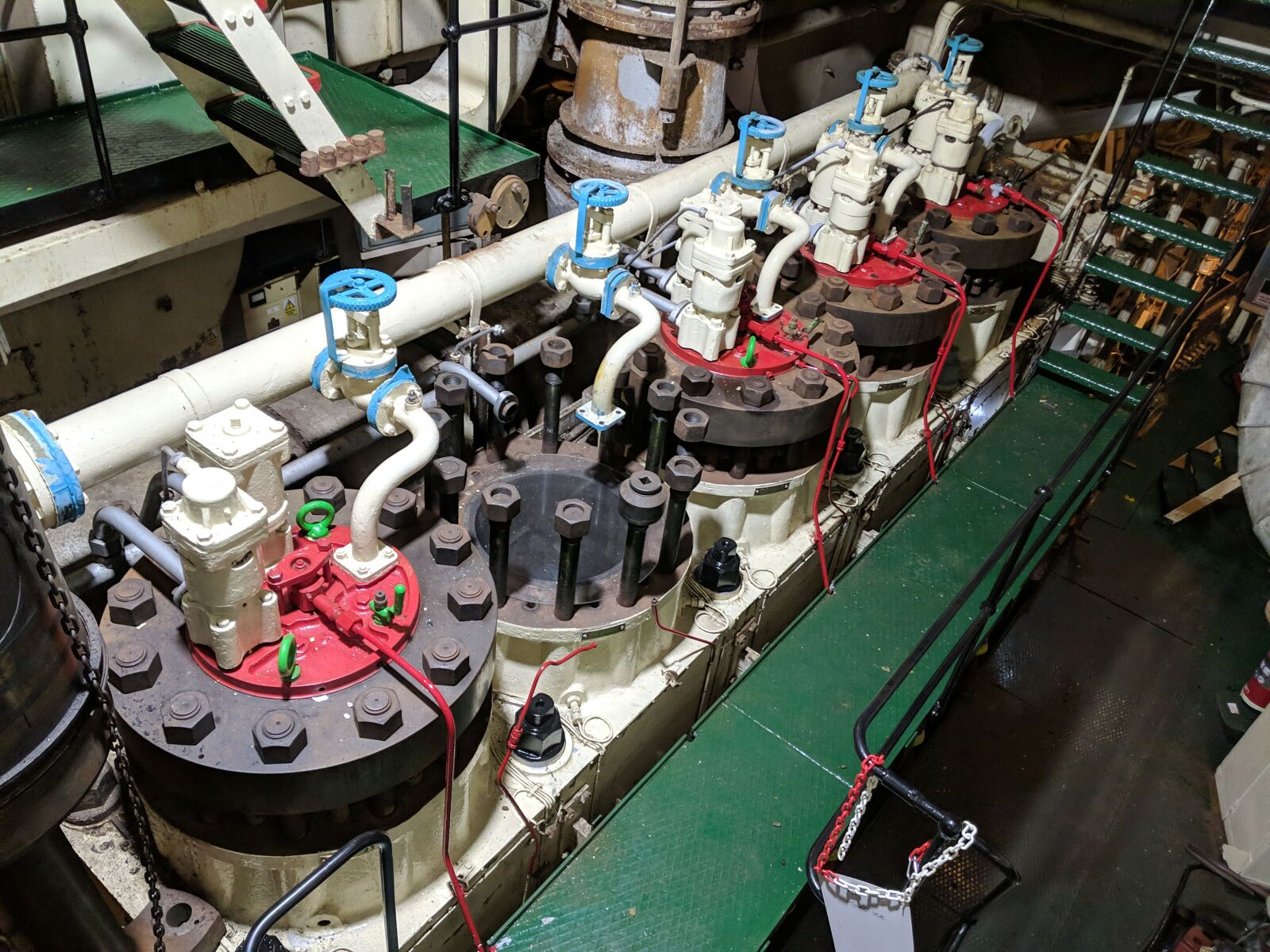
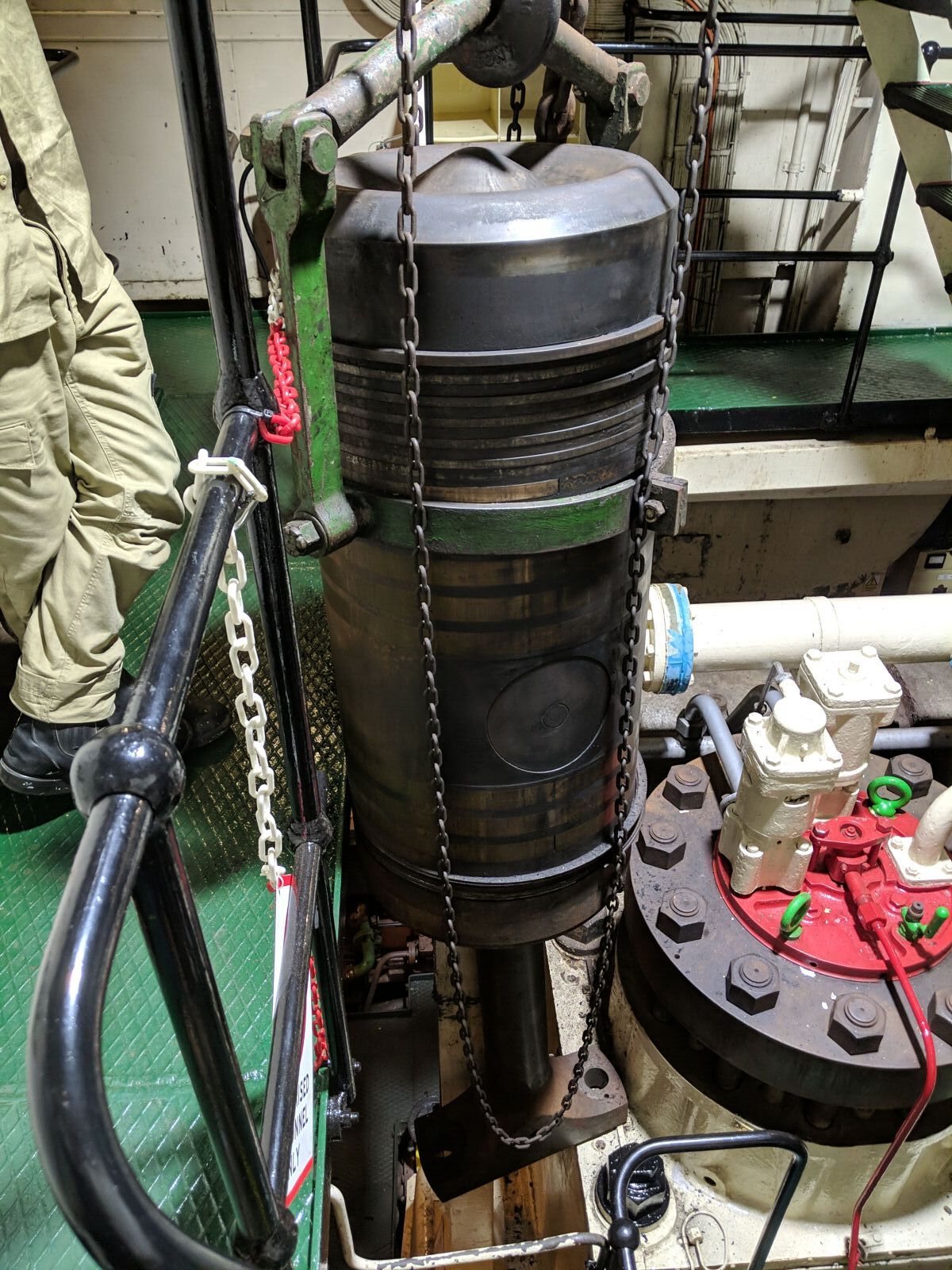
That last picture is not a trick of perspective. That is a single piston head, wider than a person and almost as tall. If I had a fisheye camera lens then you would be gobsmacked by photos of the engine room. It's beautiful in person and I would love to see people going on tours in there again.
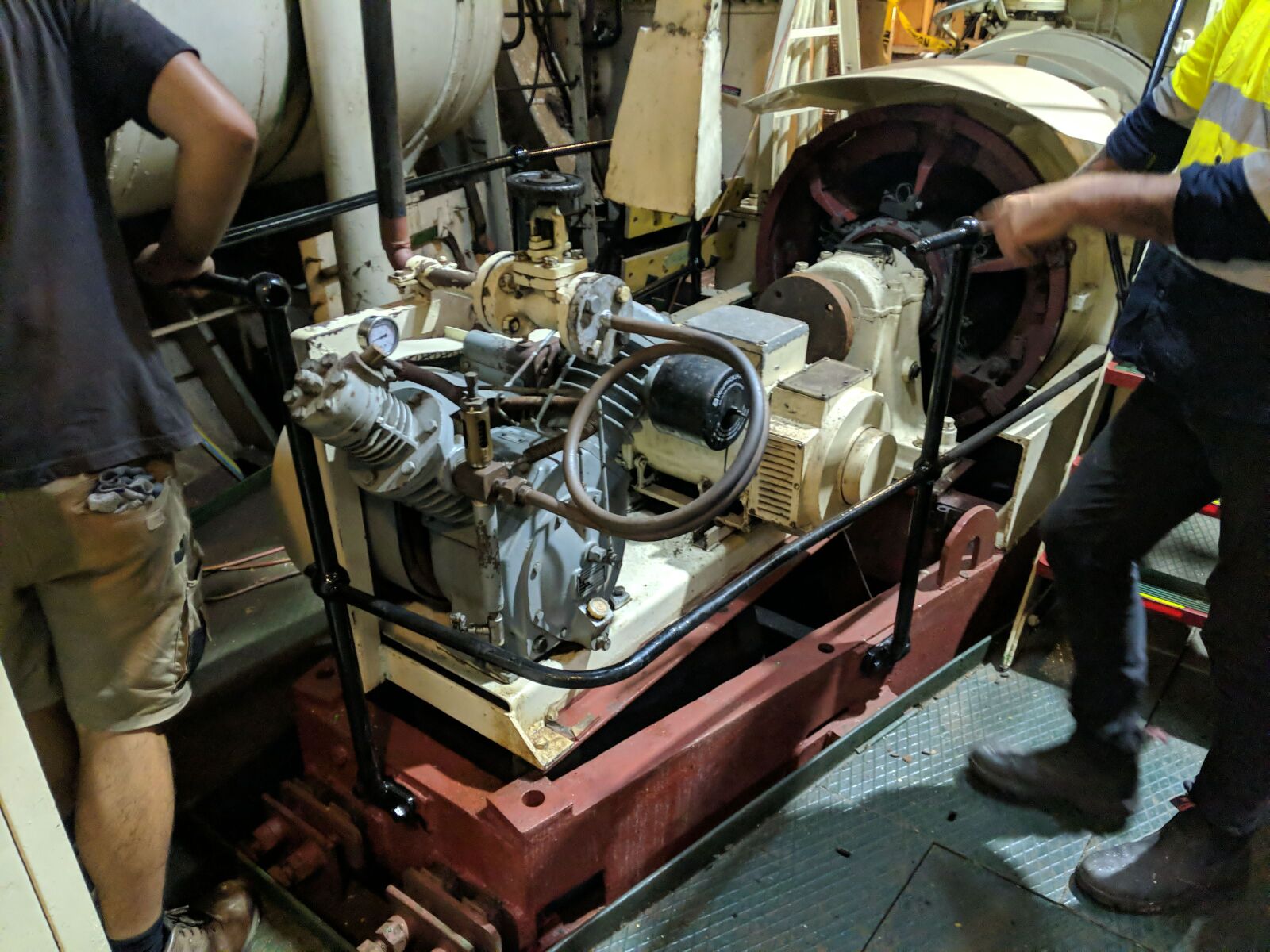
Inside the engineroom are 3 generators capable of generating approximately 250kW each (together enough to run a small suburb). Two of the three generators are kept in working order and get run every few weeks. The third unit was in the process of being restored prior to the vessel seizure.
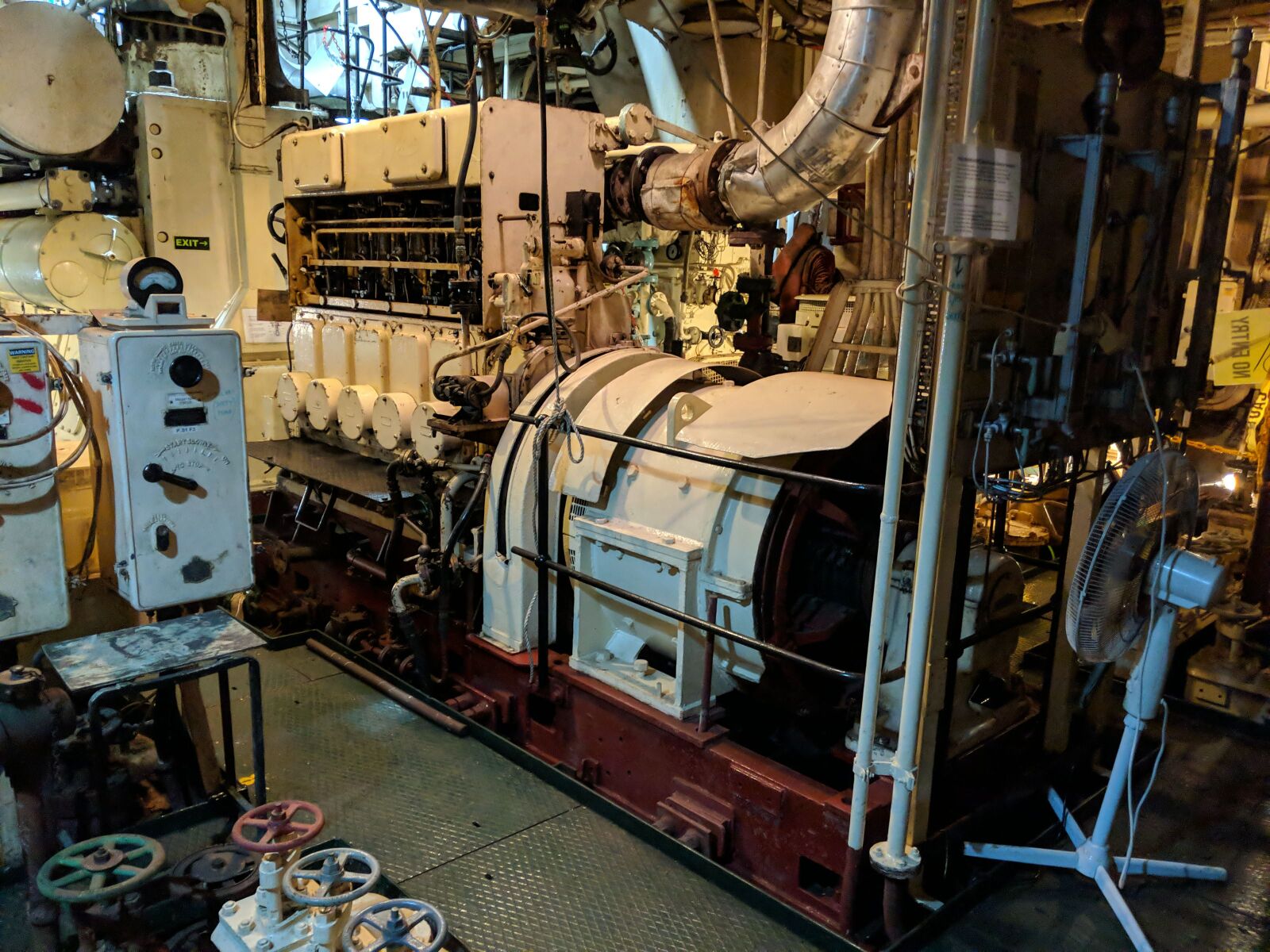
One of the two primary air compressors (middle left) next to one of the generators (top right):
There are somewhere around 45 cabins on the ship. One of the heritage priorities is to maintain original materials which, unfortunately, includes the original carpets and vinyl lounges!
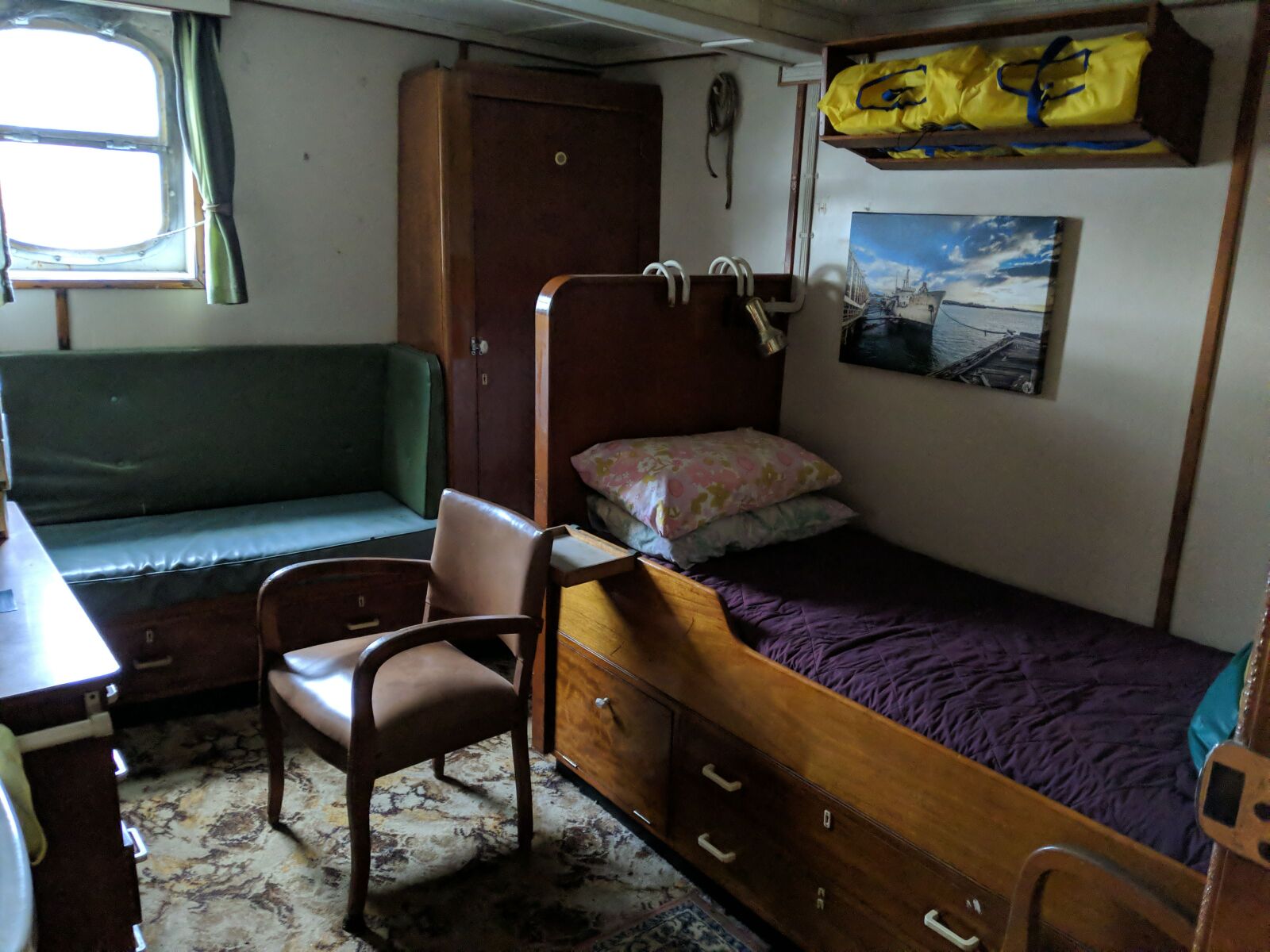
At least the original fitters' taste in woodwork was good. Some of our volunteers are carpenters or furniture restorers, so much of it has been restored and then varnished obsessively.
I wish I had more photos handy. I usually only photograph the radio equipment I have been working on, but that's for another day. I have to omit photos with people's faces or culturally sensitive artefacts, which sadly means I cannot post as many as I would like.
Around the ship
The dock, sadly, is in a state of disrepair. This has been a point of conflict between NSW Maritime and the ship's charity for many years, as it is the NSW government's responsibility and the charity cannot repair it without their permission.
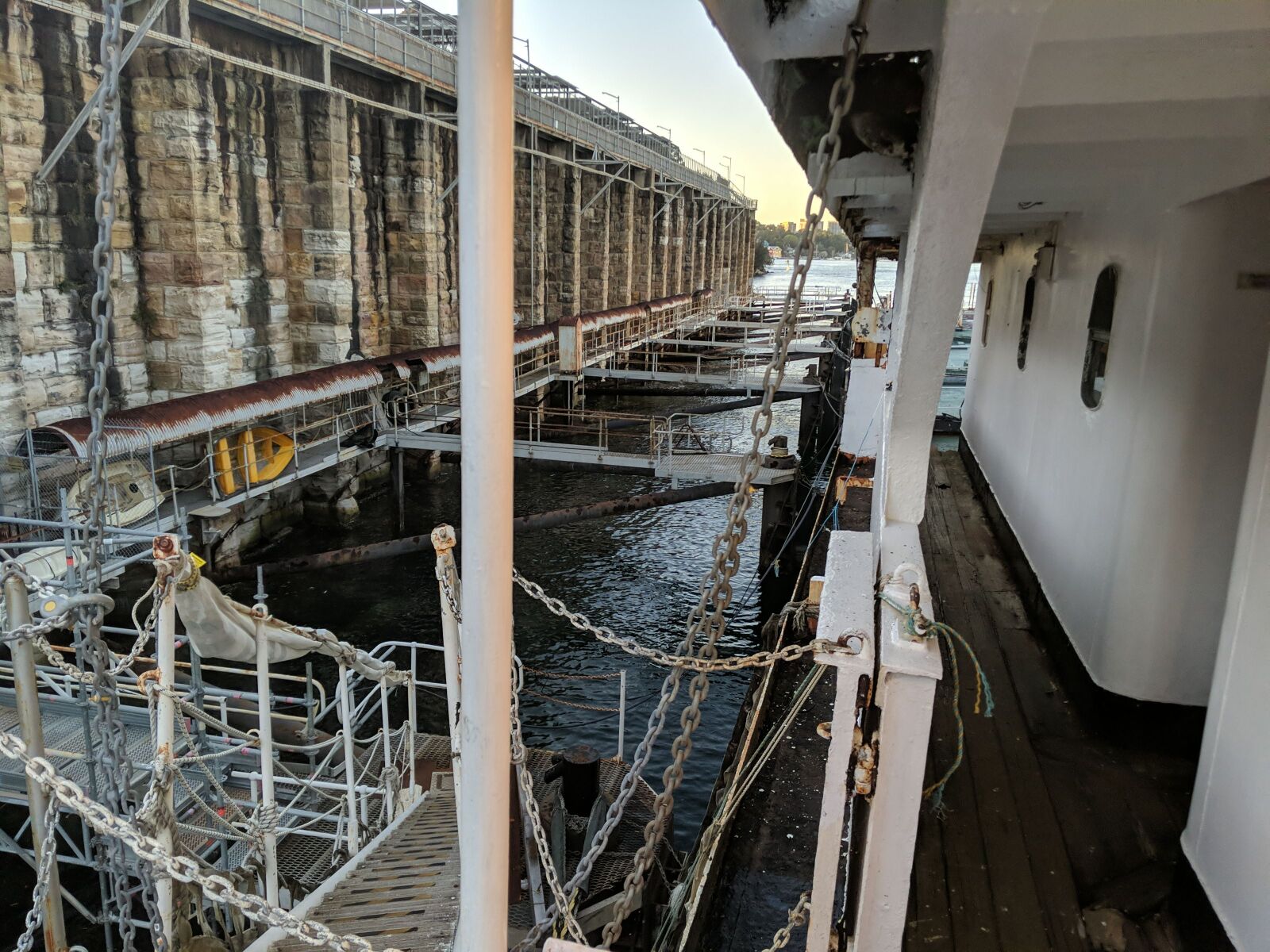
If you look across the water you can see the Sydney Shell Oil terminal, where enormous ships unload fuel and oil in Sydney regularly:
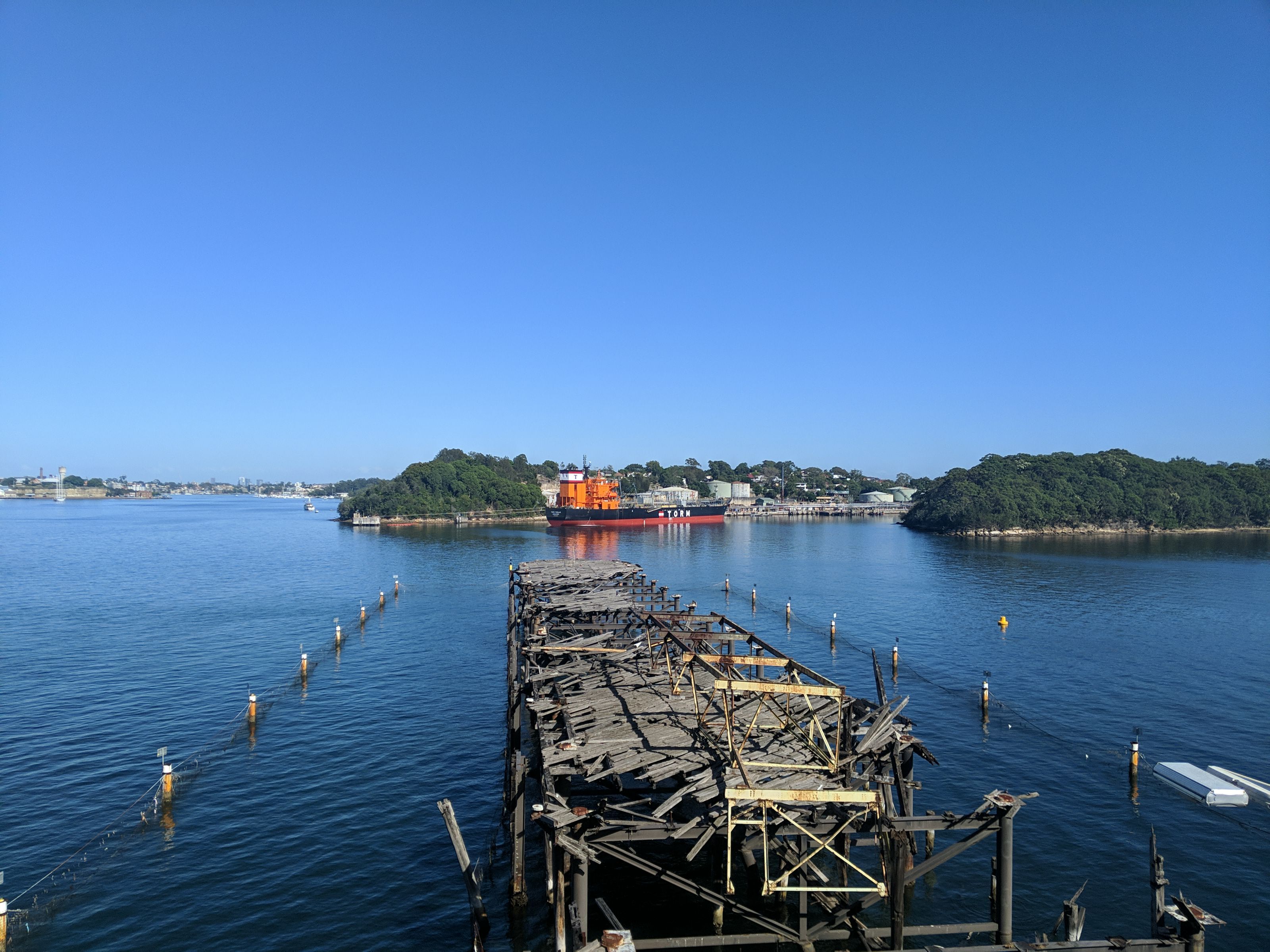
Next to the MV Cape Don was the historic coal loader wharf. It has been neglected and has become a debris hazard, hence all the netting around it, and has slowly been dismantled by contractors on barges. It's property of the NSW government:
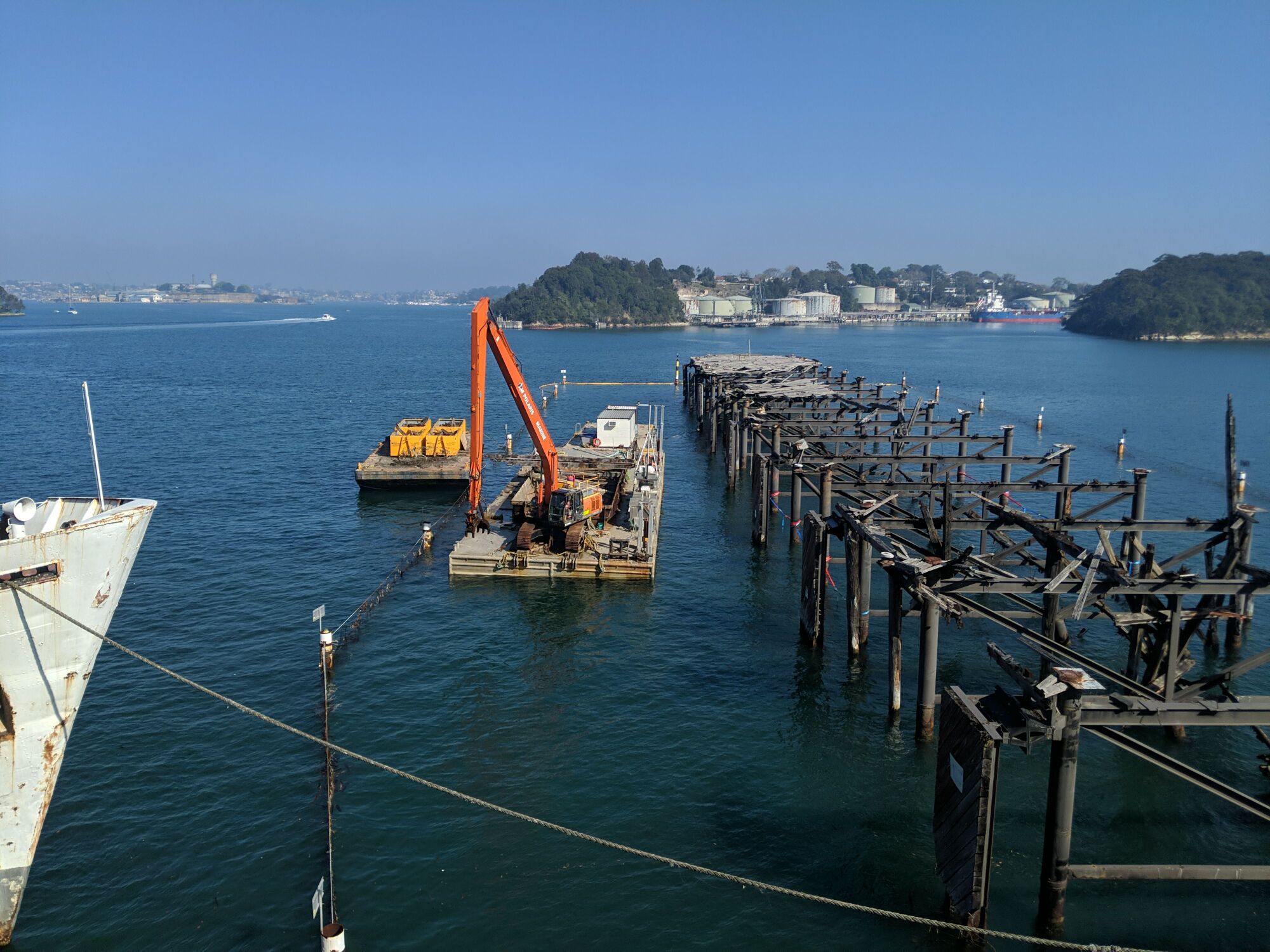
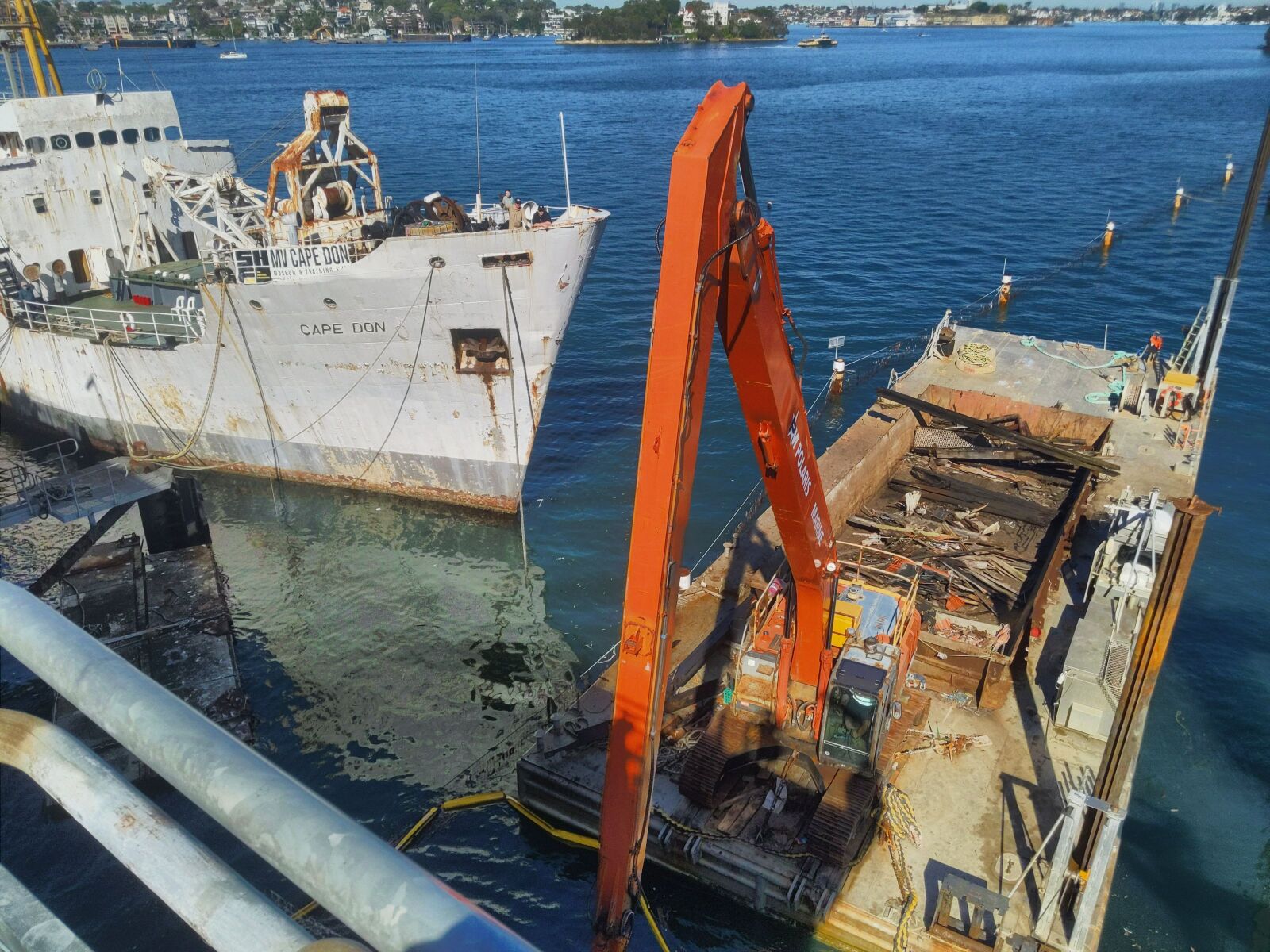
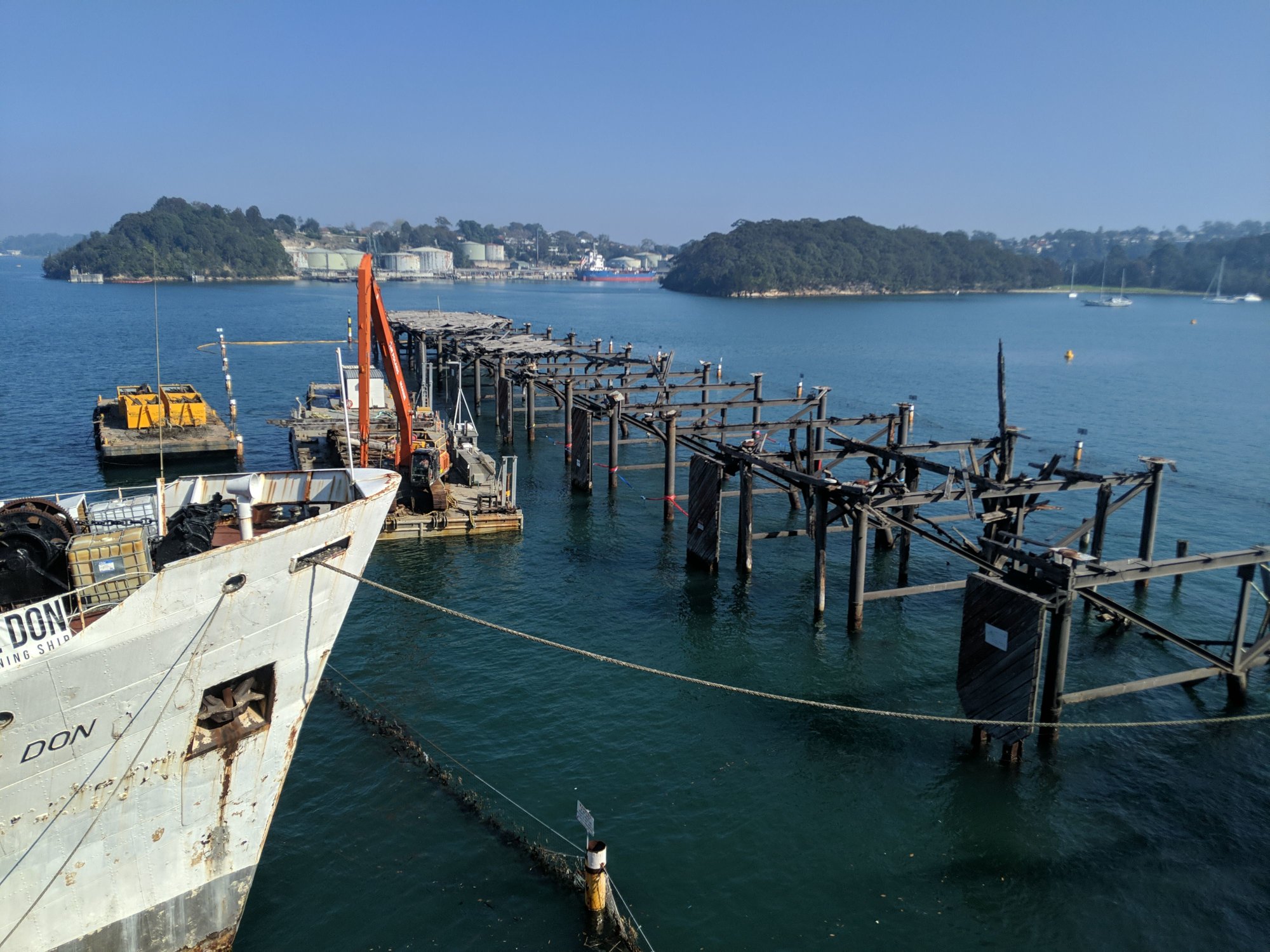
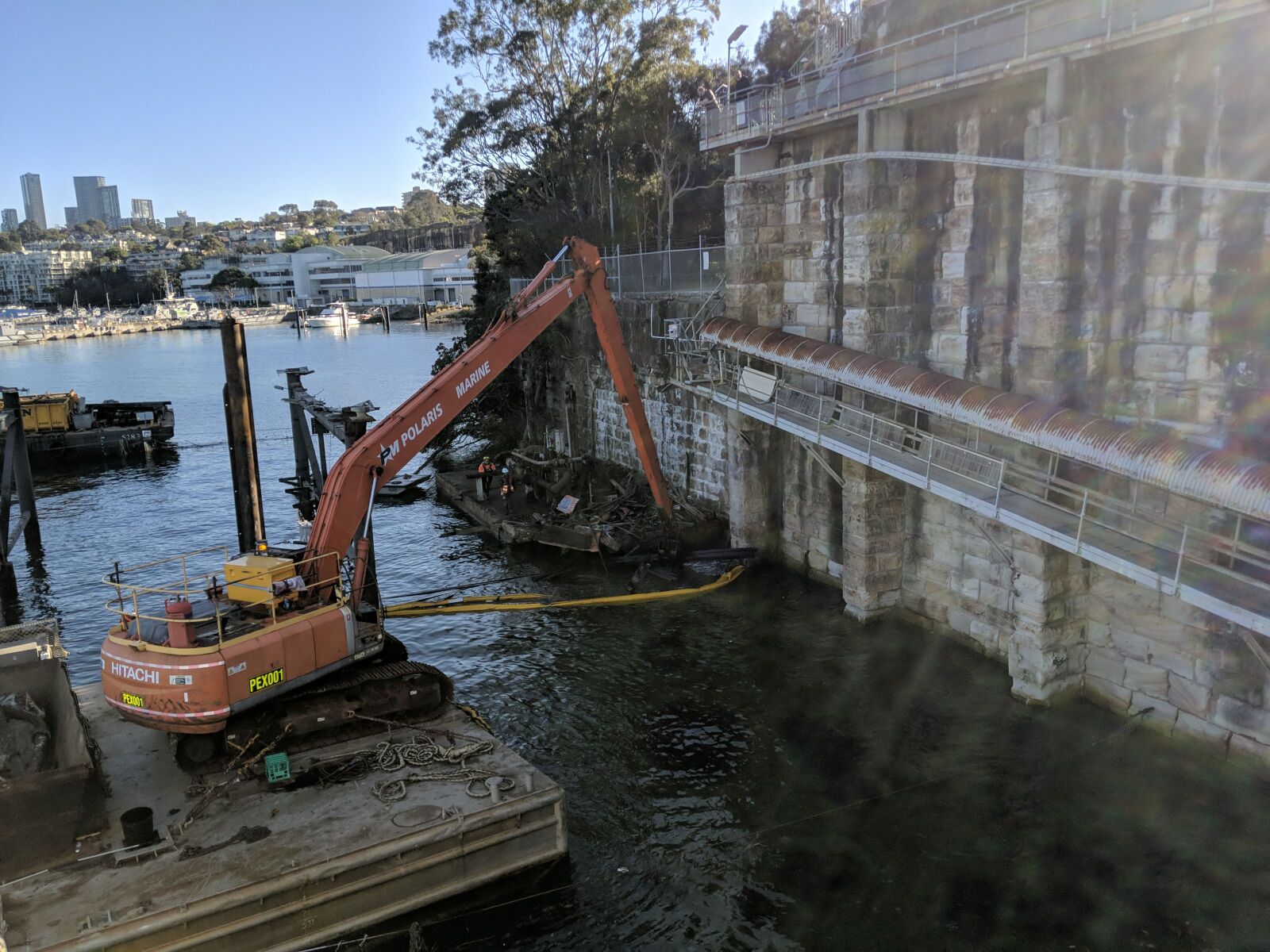
The Coal Loader Wharf cleanup contract award document published by the NSW Government states:
Work will involve retrieving floating debris and material at risk of future collapse or a threat to navigational and personal safety.
The historically significant material will be safely stored and assessed for re-use as part of the future heritage interpretation of the site.
I wonder where those materials are going and how this assessment works?
What now?
I don't know. I have taken some time of work and have been in tears a few times. I am currently trying my best to support some of the other volunteers, but I'm obviously not doing great myself. A museum being seized and destroyed is unquantifiably unthinkable. Even the thought of destroying a single artefact would tear the average historian apart, let alone thousands of them. The precedent this sets for museums in NSW is terrifying.
I have written a letter to the NSW Minister for Heritage, similar to this blog post, and I hope to hear back from them soon.
If you want to help then please read and share the charity board's statement requesting a re-evaluation of the rationale for the seizure and the plans to destroy the ship. It refutes several things the NSW government has publicly stated.
Seizing a museum, including all its collections on loan from other groups, and then stating they wish to destroy it... is this really who the NSW government is? Is this what they want to do from now on?